The recording process, as explained by our resident Producer and Engineer, Daniel Natoli.
Recording:
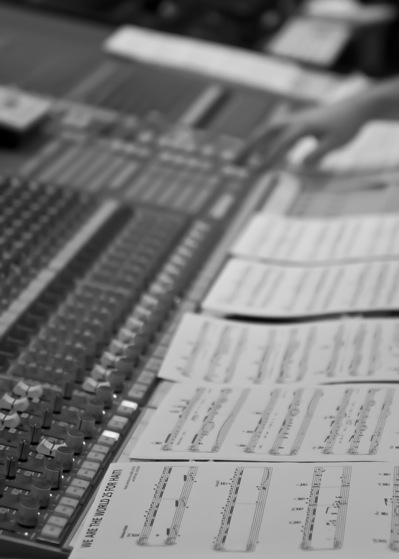
Essentially, recording is the process of capturing a sound, or performance, for reproduction or broadcast. The subject of sound recording can be divided into two classes;
Analog Recording and
Digital Recording. Depending on the source material, one or more microphones will be set up in strategic locations, so as to accurately capture the sound. There are a number of different microphone types, each with their own unique characteristics, features and sounds. Some microphones can be sold for less than $50, whilst others cost tens of thousands of dollars! The microphones will then send the signal into a pre-amplifier (boosting the signal level) and off to the recording medium. In Analog Recording, the sound will be stored on a physical medium; usually a gramophone record or magnetic tape. In Digital Recording, the signal is converted to digital form and is stored as a series of binary numbers in a computer, for further processing.
Mixing:
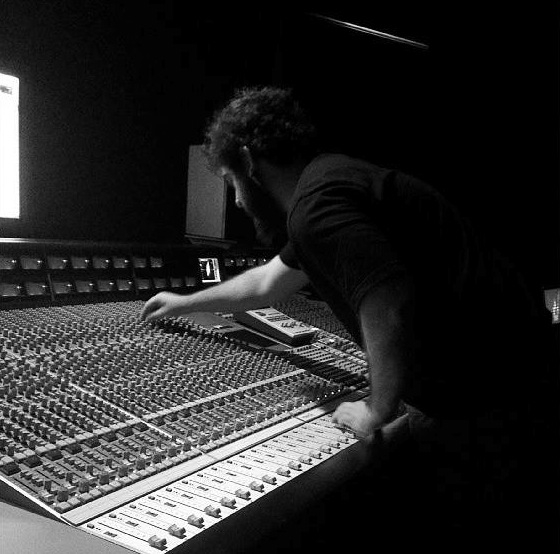
Mixing is the process of aurally editing and sculpting the recorded sounds. It can involve a number of processes; from adjusting levels and panning, to equalisation (adjusting the frequency balance of the sound) and compression (reducing a signal's dynamic range), to adding effects such as reverberation and delay. Any problems caused in the recording phase must be addressed here; the removal of background noise, compensation for incorrect microphone placement, removing mistakes in a take etc. In the past, mixes were completed using large consoles in professional recording studios. Nowadays, commercial mixes can be made on a laptop using Digital Audio Workstations such as Logic or Pro Tools and a handful of plug-ins. A finished mix must be balanced and coherent, with the right amount of clarity, depth and separation. It should be as close to the final product as possible.
Mastering:
Mastering is the final stage in the production process, before duplication
and distribution. The job of the mastering engineer is to ensure that the track will translate well, across all forms of playback systems (iPod headphones and laptop speakers sound very different compared to a $20,000 pair of studio monitors!) He/she will then process the track and prepare it for distribution - either on CD, or as an audio file for online use.